Reviving Power: The Technique of Hydraulic Actuator Repair


In the world of machinery and heavy equipment, the importance of hydraulic and pneumatic cylinder systems cannot be overstated. These robust components are essential for different applications, from lifting and pushing to pressing and holding, making them the foundation of countless operations. However, like any machine-based system, they can suffer wear and damage over time. That’s where cylinder maintenance and repair come into play.
Reviving the power of hydraulics cylinder systems not only prolongs their lifespan but also guarantees top performance and safety. This process requires a blend of expertise, knowledge, and the appropriate tools to identify issues and carry out efficient repairs. Whether you are a experienced technician or a DIY enthusiast, understanding the craft of hydraulics cylindrical repair can help you keep your machines operating effectively and efficiently. Let’s delve into the essentials of maintaining and revitalizing these critical elements to their former glory.
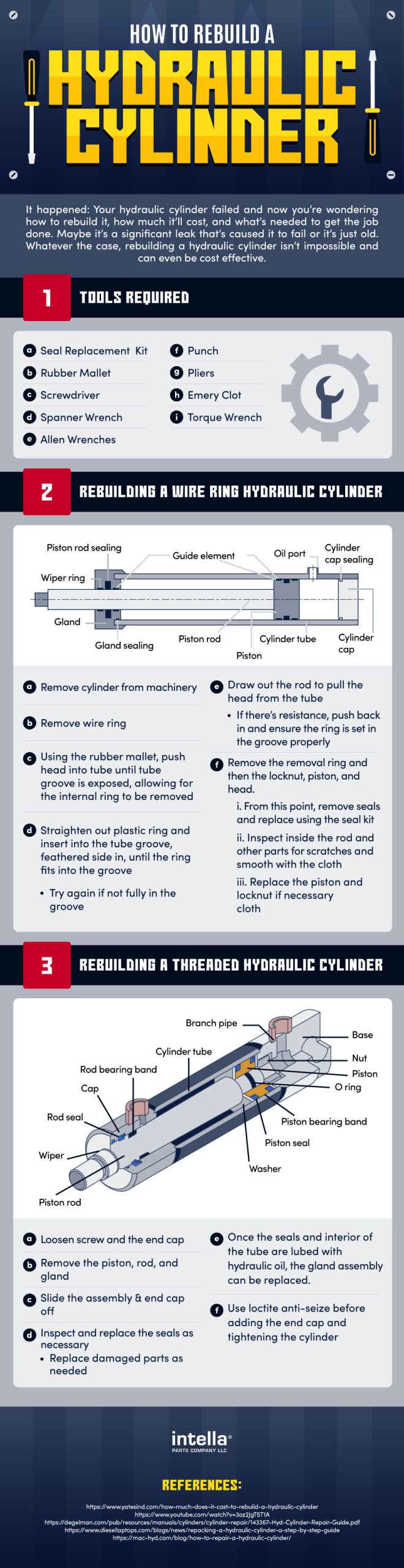
Critical Equipment for Hydraulics Cylinders Repair
When it comes to hydraulic cylinder repair, possessing the right tools at your disposal is crucial for gaining efficient results. A well-equipped workspace guarantees that the technician can securely disassemble, inspect, and reassemble cylinders without inflicting further damage. A variety of hand tools, such as wrenches, grippers, and mallets, are essential for unfastening and fixing various components. Moreover, specialized tools like a cylinder hone, which is used for smoothing the bore of the cylinder, can significantly enhance the effectiveness of the repair.
In addition to hand tools, investing in a reliable sealing kit is imperative. Hydraulic cylinders depend upon seals to maintain pressure and prevent leaks, so having a complete set of replacement seals in multiple sizes is required for successful repairs. These kits often include O-ring seals, gaskets, and auxiliary rings that are specifically designed for hydraulic applications. Ensuring that you have the correct seals on hand can conserve time and prevent potential downtime in operations.
Finally, safety equipment should not be neglected. When handling hydraulic systems, pressure can be extremely high, making it necessary to wear protective equipment such as gloves, goggles, and reinforced boots. Moreover, a stable workbench and proper elevating equipment will aid in the safe handling of weighty cylinders, ensuring that the repair process runs smoothly without accidents. Investing in both tools and safety gear is an essential step toward proficient cylinder maintenance and repair.
Frequent Problems and Solutions
Hydraulic and pneumatic or pneumatic cylinder systems can experience a number of problems that influence their functionality and efficiency. One frequent issue is leaks, which can occur due to damaged gaskets or broken cylinder parts. When fluid loss occur, they not only reduce the cylinder's capacity to produce pressure but also lead to inefficient operation and potential damage to adjacent machinery. Regular inspection and swift changing of seals are vital in preserving proper operation and stopping escalation of fluid loss.
Another common issue is cylinder jamming, often caused by dirt within the cylinder or insufficient lubrication. Sticking can lead to erratic movement and inconsistent force delivery, compromising the system's functionality. To troubleshoot this problem, it is important to ensure that both the system and the surrounding environment are kept clean. Establishing regular cleaning schedules and providing proper lubrication can significantly reduce the chance of this problem arising.
Lastly, abnormal noise during function often indicates damage or problems within the assembly. This sound may stem from unsecured parts, lack of lubrication, or misalignment. Identifying the cause of the noise is important, as it can be a precursor to more serious failures. A systematic method to inspect the parts, tighten any unsecured parts, and verify the alignment will help resolve the problem and prolong the life of the system.
Preventive Maintenance Strategies
Regular inspection is key to maintaining hydraulic and pneumatic cylinders properly. Check for all signs of wear or damage, including fluid losses, scuffs, or imperfections on the cylinder and rod. Establish a consistent timetable for these inspections, allowing for early detection of potential problems before they escalate into costly repairs. Keeping a maintenance log can assist monitor the frequency of inspections and identify trends that might indicate a developing issue.
An additional important aspect of preventive maintenance is ensuring sufficient lubrication. Adequate lubrication reduces friction and wear, extending the life of seals and internal components. Use the manufacturer’s prescribed lubricants and apply them according to the specified intervals. Additionally, pay Cylinder maintenance to the cleanliness of the environment where the cylinders operate, as contaminants can cause significant wear and premature failure.
Training personnel on cylinder maintenance practices cannot be neglected. Workers should be educated on the importance of system cleanliness and the signs of early failure. They should also be informed about how to handle cylinders correctly and effectively. Implementing a organized training program will not just enhance the skills of your team but also cultivate a culture of responsibility and proactive maintenance that can lead to improved operational efficiency.